


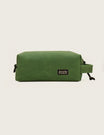
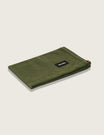
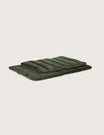

Waxed canvas is an honest material.
It does not pretend to be something it is not. It is cotton, woven tight, saturated with wax, designed to handle weather, friction, and years of use. It softens. It marks. It develops character. The more you use it, the better it looks.
But like leather boots or a well-used tool, it rewards care. Treat it properly and it will serve you for decades. Ignore it, and it will still work, just not at its best.
If you are new to waxed canvas, or you have owned it for years and want to maintain it properly, this guide will walk you through cleaning, mould removal, reproofing, and storage. No gimmicks. Just practical advice that works.

Understanding Waxed Canvas
What makes it different?
Waxed canvas is cotton fabric that has been infused with wax to create water resistance. Unlike synthetic waterproof membranes, the protection is part of the fabric itself. There is no plastic lining waiting to peel away. The finish can be renewed. That is the key difference. When modern coated fabrics fail, they fail completely. When waxed canvas fades, you simply reproof it.
If you want to understand why we built a brand around this material, you can read our original story here: Why We Built a Brand Around Waxed Canvas.

The Golden Rule: Never Machine Wash
Treat it like leather, not laundry.
Machine washing strips wax from the fibres. Hot water softens and removes the protective layer. Harsh detergents break it down even faster. Once that wax is removed, the canvas will absorb water rather than repel it. Reproofing can restore it, but repeated washing shortens the life of the cloth. If your instinct is to throw it in the wash after a muddy beach day, pause. There is a better way.
How to Clean Waxed Canvas Properly
Step one: Let it dry.
If your bag or blanket is muddy, allow the mud to dry fully. Dried mud brushes off easily. Wet mud spreads.
Step two: Brush off debris.
Use a soft brush to remove dirt, sand, and salt. This simple step solves most problems.
Step three: Spot clean only if needed.
For marks that remain, use cold water and a small amount of mild soap. Lightly dab with a cloth. Do not soak. Do not scrub aggressively.
Rinse with clean water and allow to air dry naturally.
You can also refer to our canvas care page for quick reference instructions here: Canvas Care Instructions.

How to Remove Mould from Canvas
Damp storage is the real enemy.
Natural fibres need airflow. If waxed canvas is stored wet in a closed car boot or sealed plastic container, mould can develop.
If you notice mould:
1. Take the item outside and brush off visible spores.
2. Lightly treat the area with diluted white vinegar.
3. Rinse gently with cold water.
4. Air dry completely in a ventilated space.
Once dry, that area may need reproofing to restore water resistance.
The key is simple. Always dry gear thoroughly after rain or a damp picnic. Open it up. Hang it out. Let the fabric breathe.

When and Why to Reproof
Wax wears in high-friction areas.
Straps. Fold lines. Corners. These areas naturally lose wax over time. You may notice the fabric looking lighter or absorbing water more quickly.
This is not failure. It is maintenance.
Reproofing restores the water-resistant barrier and deepens the tone of the cloth again.

How to Reproof Waxed Canvas
What you will need.
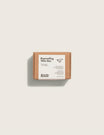
A clean, dry canvas item and a wax bar. We make a simple reproofing bar designed specifically for this purpose:
Reproofing Wax Bar.

Step one: Apply wax evenly.
Rub the wax bar directly onto the canvas. Focus on seams and high-wear areas. Apply thin, even layers.
Step two: Melt it in.
Use a hairdryer on low heat to gently warm the wax. You will see it absorb into the fibres. Move slowly and evenly.
Step three: Let it cure.
Leave the item overnight in a warm room. The wax will settle and harden back into a protective finish.
Storage for Long-Term Durability
Dry. Ventilated. Relaxed.
Store waxed canvas completely dry. Avoid tightly folding it for long periods. Hanging or loosely rolling is ideal.
A damp garage corner is not ideal storage. A breathable cupboard shelf is better.
After a winter season of use, reproof before storing. That way it is ready when summer rolls around again.
Common Mistakes to Avoid
Small habits make a big difference.
Do not machine wash.
Do not use hot water.
Do not dry clean.
Do not iron.
Do not store damp.
None of this is complicated. It just requires intention.

The Long View
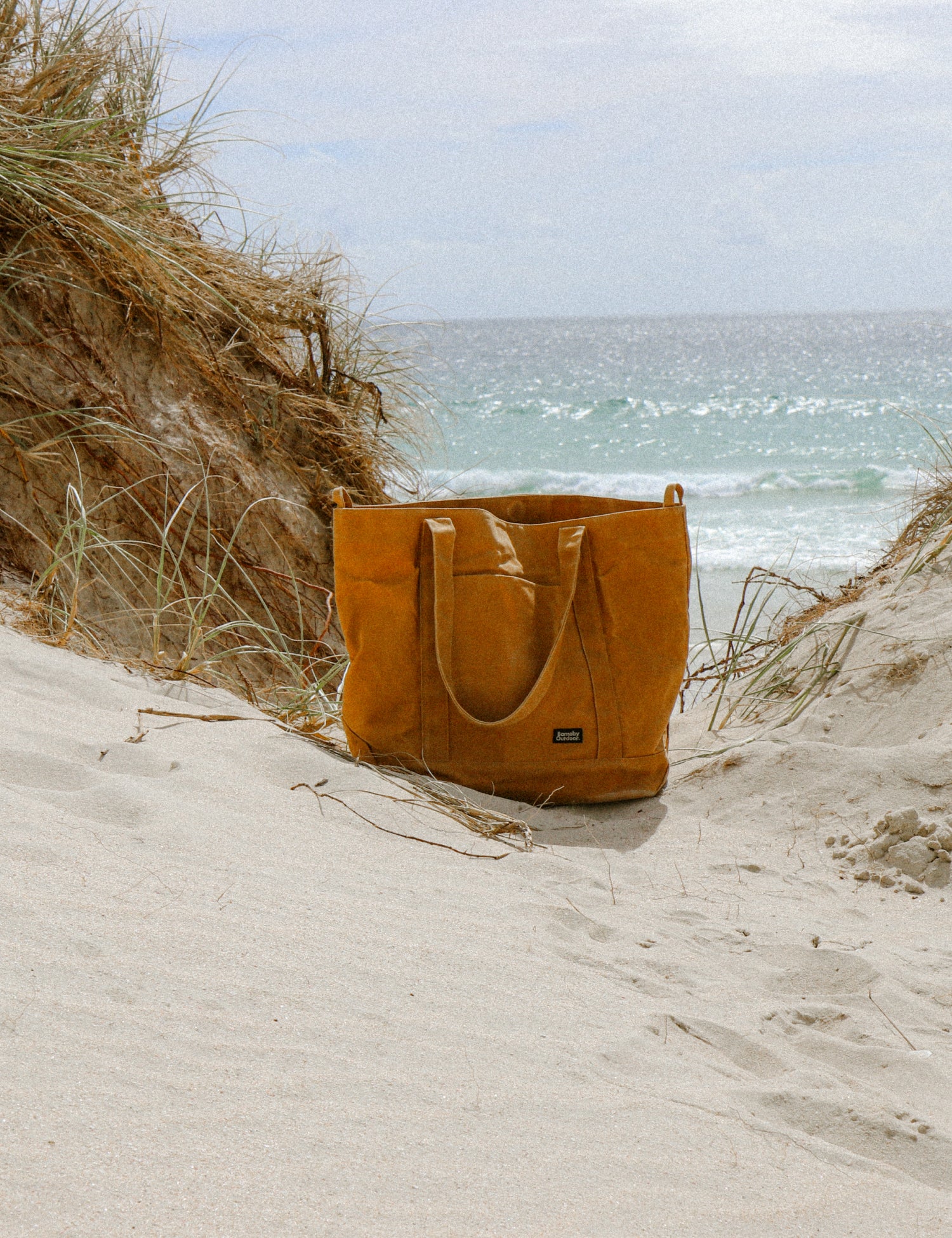
We design our waxed canvas gear to age well. The creases tell stories. The marks remind you of where it has been. A beach day in Raglan. A windswept picnic above the harbour. A muddy dog in the back of the ute. Good gear does not stay pristine. It stays useful.
Waxed canvas is not disposable. It is renewable. And that changes the relationship you have with it. Look after it properly and it will look after you.